Author: Lloyd

  • Designing a chicken coop before the chickens

    Designing a chicken coop before the chickens

    By Lloyd and Margaret

    We want laying hens, meat birds and ducks, and the first thing we learned is that they can’t all live together.

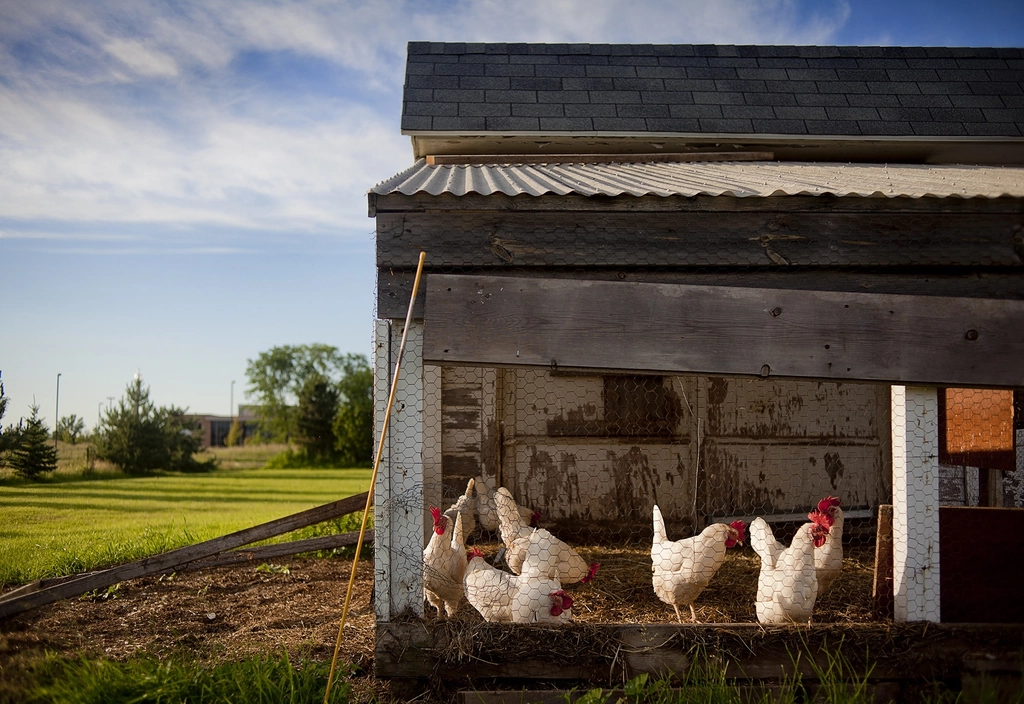
    So the plan is three structures: a permanent coop for laying hens, a mobile pen for meat birds that moves to fresh grass every day or two, and a smaller pen for a rooster and ducks. Meat birds put out a lot of ammonia, need different feed and stress the layers. Roosters fight.

    The numbers: about 4 square feet per hen inside and 8 to 10 outside, and one nest box for every three or four hens.

    The foundation: a gravel pad on concrete piers set below the frost line, which is deep here.

    Next: building it, and what Home Assistant can do for a coop.
  • Planning a Japanese gravel garden in deep snow country

    Planning a Japanese gravel garden in deep snow country

    By Lloyd and Margaret

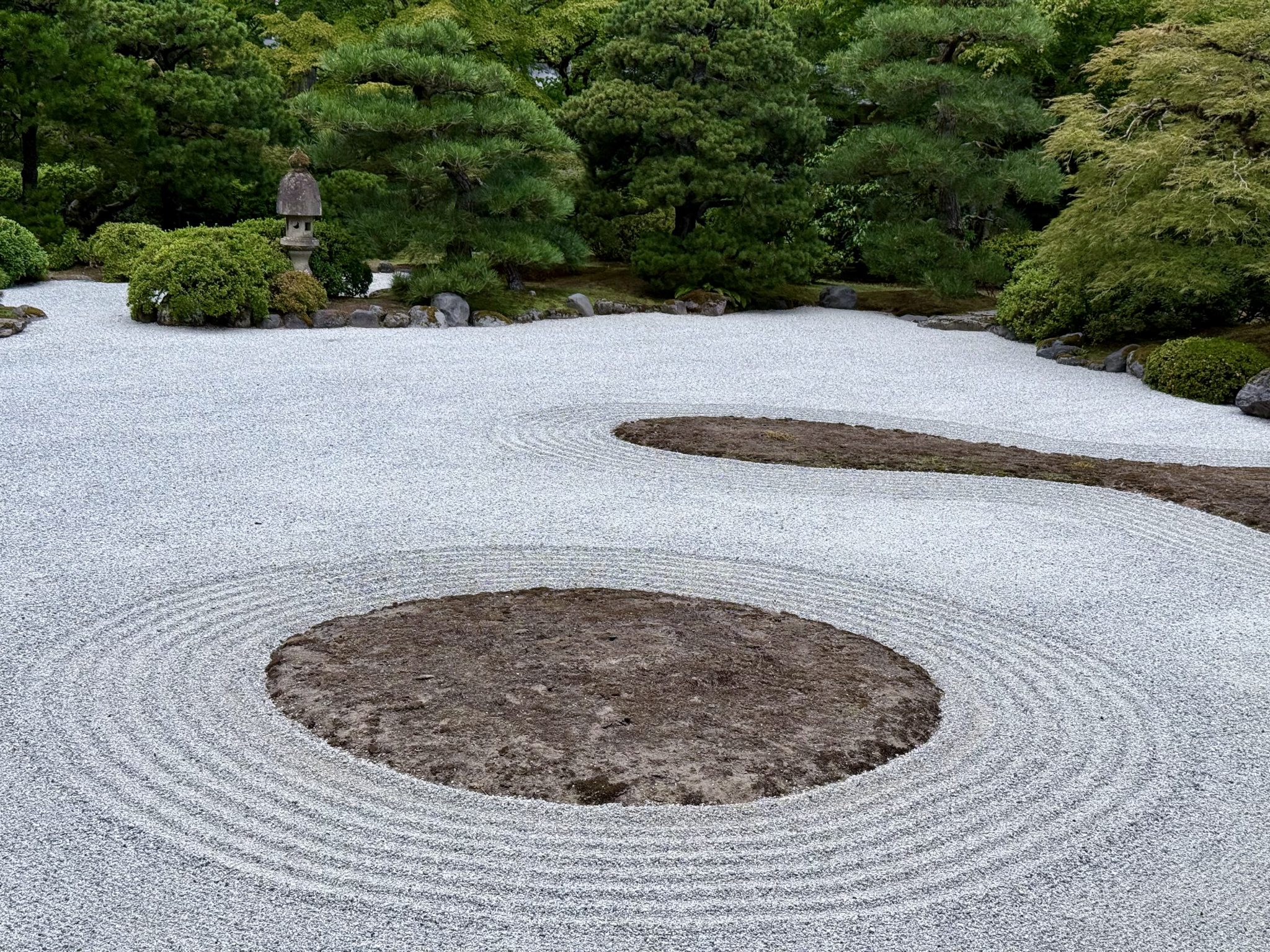
    We are turning the island in our driveway loop into a Japanese dry garden: raked gravel, a weeping specimen tree, and boulders from a pile of stone we already had.

    The gravel matters most. Use angular crushed granite, about 5/8 inch, three to four inches deep over a compacted base and landscape fabric. Rounded pea gravel won’t hold a raked pattern and shifts underfoot.

    The snow: raked patterns are a spring-to-fall thing here. In winter it is snow over gravel, dark boulders and a bare tree, and we have decided to enjoy that rather than fight it. Expect an hour or two of raking each spring after the melt, and leave a buffer on the driveway side for the snow plow.

    We designed it with a landscape architect.

  • Our greenhouse runs itself (mostly)

    Our greenhouse runs itself (mostly)

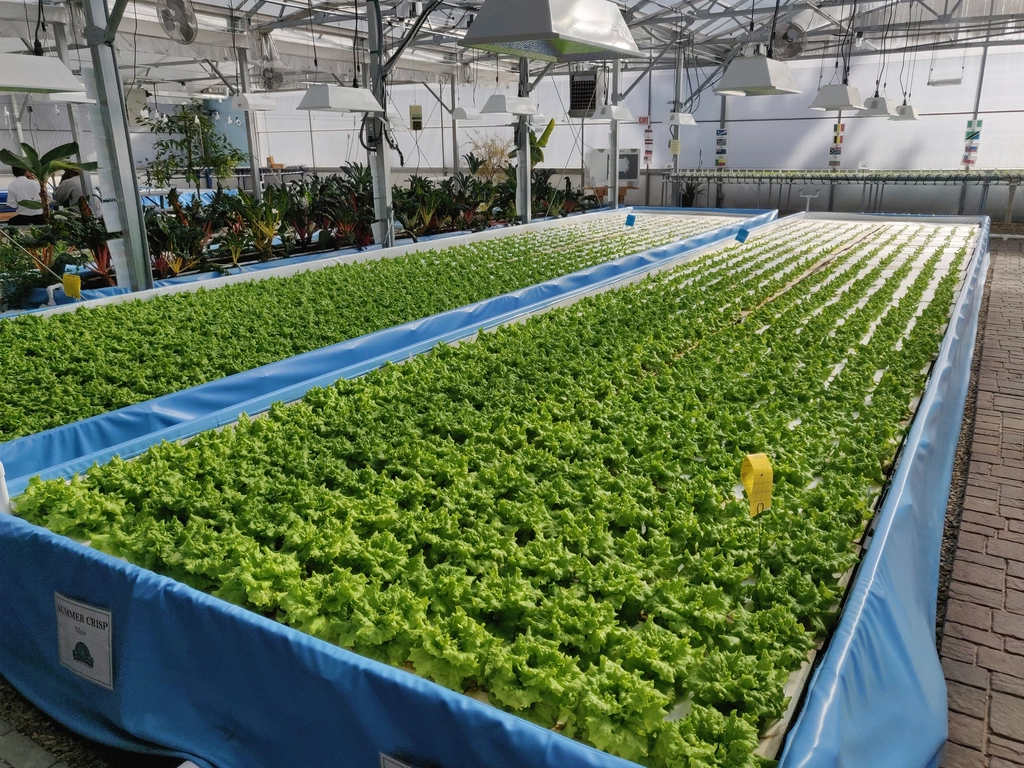
    We have a 10×15 Victorian-style greenhouse, and almost everything in it is run by Home Assistant: the lights, the heater, the fans, the misting, and a hydroponic system that feeds plants a thin film of nutrient water. It grew its first crop in 2025.

    What works: lights and heat on schedules, fans and misting reacting to temperature and humidity, and an alert when the water reservoir runs low.

    What broke: that low-water alert was too clever. It switched the pump off to protect it, and nothing ever switched it back on. The pump sat idle for weeks before anyone noticed. Lesson: if an automation turns something off for safety, something else has to turn it back on, or tell you.

    The pump timer also drifted, so we moved it to a more reliable Z-Wave outlet. Fixing the boring stuff is most of the job.

    Next: sensors in the root cellar, and a winter growing plan.

  • What actually kicks me out of ketosis

    What actually kicks me out of ketosis

    I wear a glucose monitor and a ketone monitor, and test foods one at a time: blood sugar before, at the peak and two hours later, plus ketones before and after. My pass line is blood sugar staying under 120 and ketones holding.

    Some results so far:

    • Oikos Triple Zero strawberry yogurt (150 g): FAIL. Ketones crashed from 0.9 to about 0.2 in two hours. “No added sugar” still has milk sugar.
    • Diet Coke: MARGINAL. Blood sugar blipped to 122, but ketones actually rose from 0.9 to 1.4.
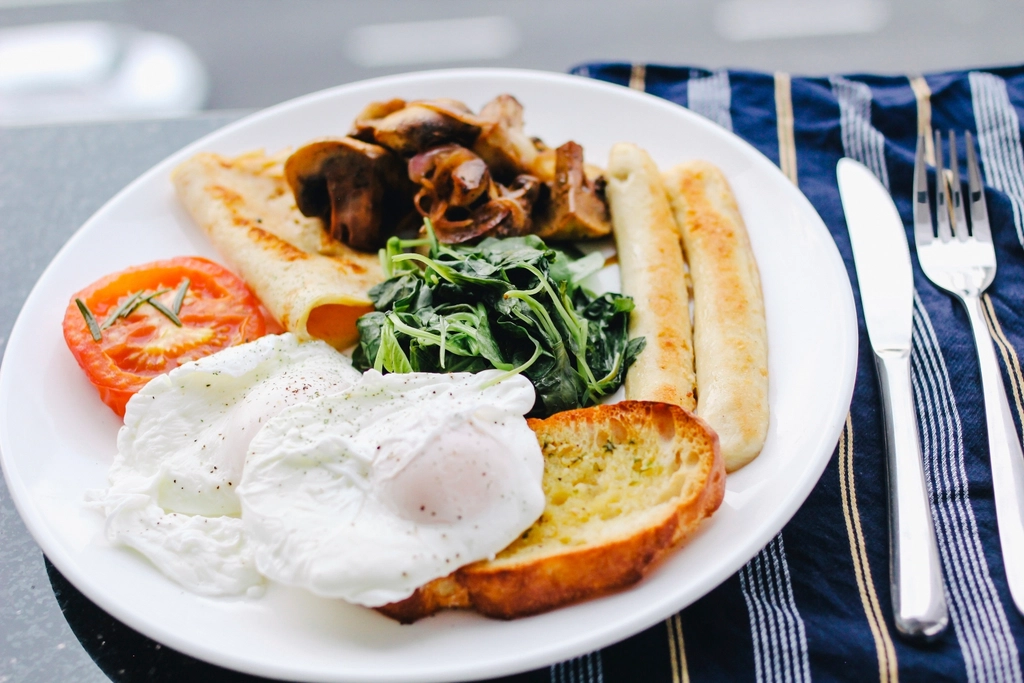
    • Two sausages, two fried eggs and a slice of Sola bread: MARGINAL. Blood sugar peaked at 129, but ketones went up and I stayed in ketosis.

    The surprise is that the “healthy” yogurt did the most damage. I’ll keep adding results here.

    This is one person’s experiment, not medical advice.

  • We’re making maple syrup this winter

    We’re making maple syrup this winter

    By Lloyd and Margaret

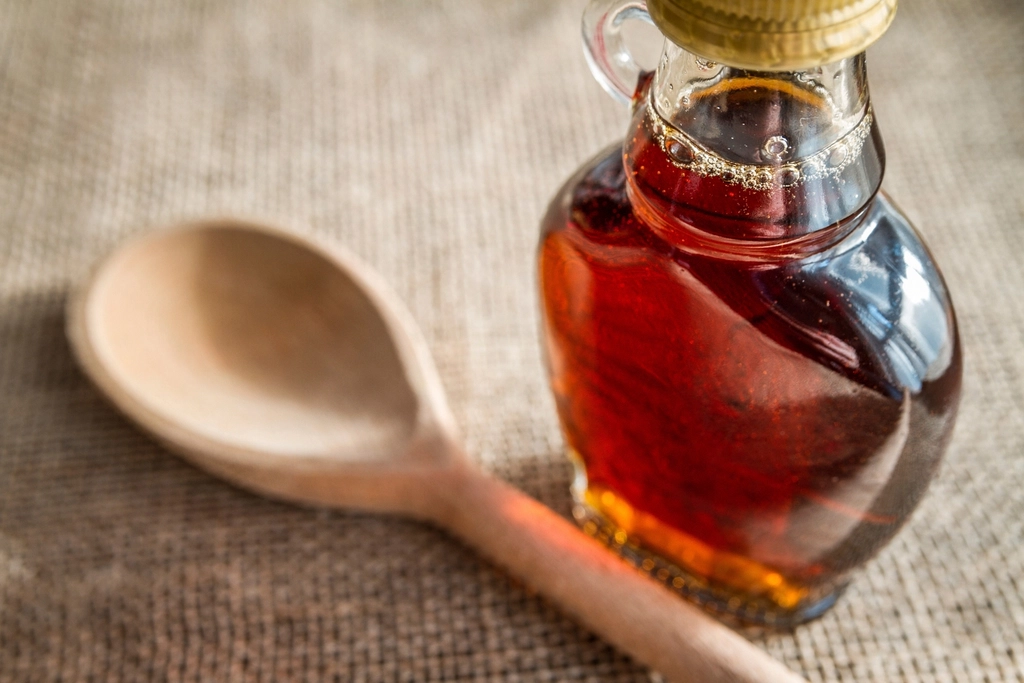
    The goal is small: about fifteen 250 ml bottles for us and for gifts, with as little work as possible.

    The math: fifteen bottles is about a gallon of syrup. Sap boils down about 40 to 1, so we need around 40 gallons. A tap gives 6 to 10 gallons a season, so five taps should do it.

    The kit: a five-tap tubing kit running into one food-grade bucket, and a propane burner on the patio for boiling. A kitchen stove can’t handle it, because the steam is enormous.

    When: you tap when days go above freezing and nights stay below. Up here that’s usually mid-February. We pick our five maples in December.

    We’ll post how it goes, including whether it’s worth it.

  • A DIY dry-aging fridge for steak

    A DIY dry-aging fridge for steak

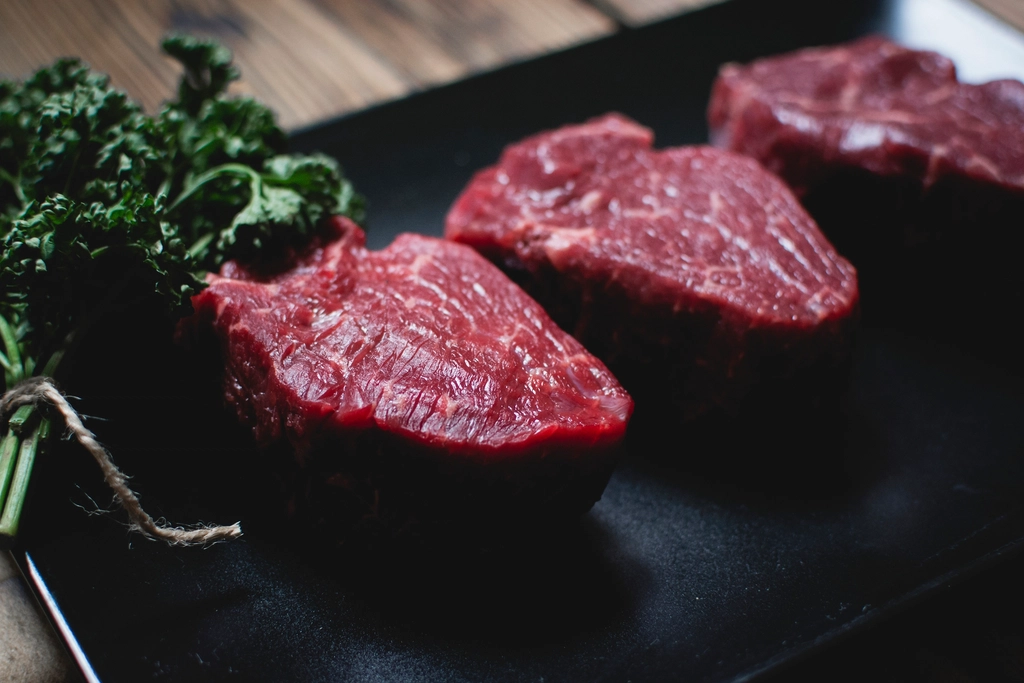
    Commercial dry-aging fridges are expensive, so we built one from a small beverage cooler.

    The parts: an Arctic King beverage cooler, a SwitchBot temperature and humidity sensor, a Himalayan salt block, a small USB fan, and a smart plug. The fridge’s own thermostat is turned to its coldest setting and Home Assistant switches the plug on and off to hold the temperature. The fan runs all the time, because without moving air the meat spoils whatever the temperature.

    The targets: 34 to 39°F, and 75 to 85% humidity.

    What went wrong: humidity fell to 17%. Two things were drying the air. A frost-free fridge pulls moisture out every time it defrosts, and the salt block, which everyone says to add, soaks up moisture when the air is dry. At that humidity the outside of the meat hardens too fast and traps moisture inside.

    The fix: take the salt block out until humidity recovers, add a moisture source, and bring the salt back later to stop humidity overshooting. A small ultrasonic humidifier on its own smart plug can be run by Home Assistant like everything else.

  • The digital window: four TVs that make a room feel like the beach

    The digital window: four TVs that make a room feel like the beach

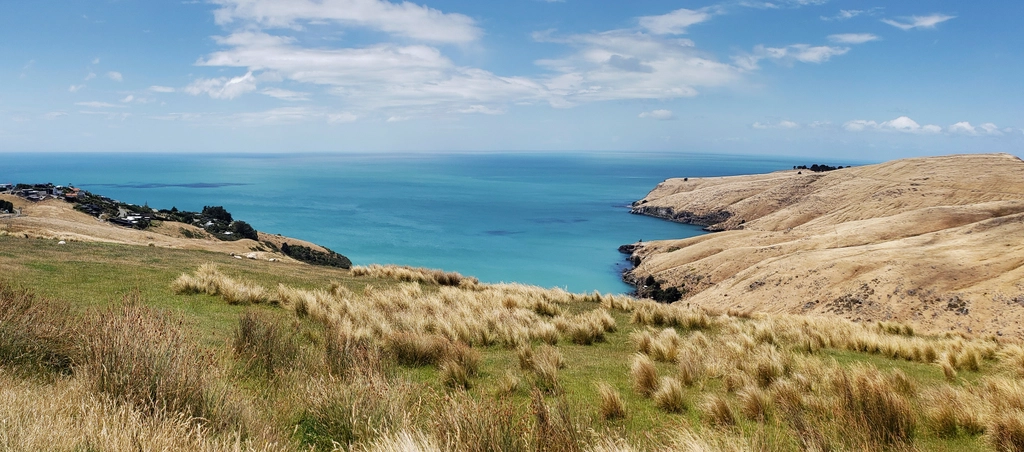
    One room has four TVs: a 98-inch landscape screen on one wall and portrait screens on the walls either side. Played together, they can make the room feel like standing on a point of land with water on three sides.

    What we learned:

    • A curved, “smile”-shaped shoreline works far better than a straight one. The center screen shows water straight ahead and the side screens show the shore bending away, so your brain reads a bay wrapping around you. A straight shoreline just looks like four beach posters.
    • Crop from the inner two-thirds of the panorama. Distortion is worst at the edges.
    • Our first attempt looked blurry. TVs soften still images on purpose, so sharpen the image before you export it, and turn off the TV’s own noise reduction and smoothing.

    Next: matching the color across four different screens.

  • Our home theater dashboard looks like Star Trek

    Our home theater dashboard looks like Star Trek

    Our Home Assistant dashboards look like the LCARS computer screens from Star Trek: The Next Generation, built with the free CB-LCARS cards.

    The home theater dashboard uses a deep red and gold palette. The big idea is to control the house by mode, not device by device: you pick “Movie Night”, and the lights, screen, receiver and curtains all do their part, instead of you hunting for six switches. The outdoor dashboard covers the deck and other outdoor areas in the same style.

    How we build them: Claude writes the dashboard, opens it in a browser, takes a screenshot, and fixes what looks wrong, round after round, until it matches the design.

    What went wrong: one version of the card library rendered some elements incorrectly, and it took a while to work out the library was at fault, not our code.

  • Catching rain to run the house

    Catching rain to run the house

    If our well pump fails, the house can run on rainwater.

    How it works: roof runoff flows into food-grade tanks, a small pump pressurizes it, and a smart valve switches the house from the well to the rainwater. Home Assistant can open the valve, and so can we, by hand.

    The one rule that matters: turn the well pump off before switching over. If both sources are live at once, rainwater can push back into the well.

    Then the details: chlorinating the water so it is safe to use, and a winter design, because water standing in pipes and tanks freezes.