Category: Keto Kitchen

  • What actually kicks me out of ketosis

    What actually kicks me out of ketosis

    I wear a glucose monitor and a ketone monitor, and test foods one at a time: blood sugar before, at the peak and two hours later, plus ketones before and after. My pass line is blood sugar staying under 120 and ketones holding.

    Some results so far:

    • Oikos Triple Zero strawberry yogurt (150 g): FAIL. Ketones crashed from 0.9 to about 0.2 in two hours. “No added sugar” still has milk sugar.
    • Diet Coke: MARGINAL. Blood sugar blipped to 122, but ketones actually rose from 0.9 to 1.4.
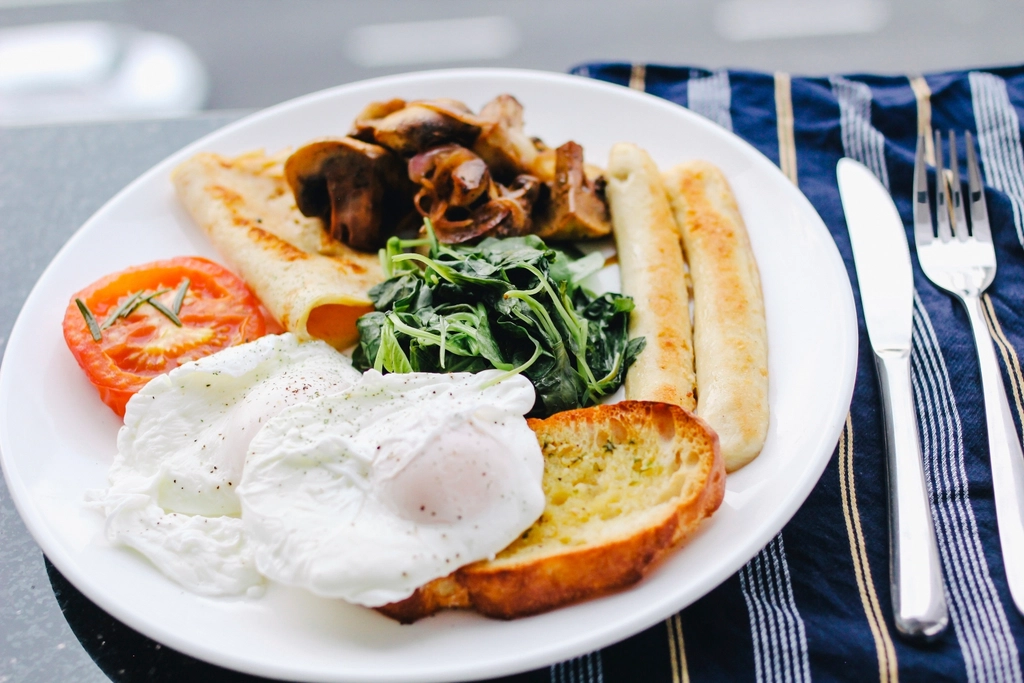
    • Two sausages, two fried eggs and a slice of Sola bread: MARGINAL. Blood sugar peaked at 129, but ketones went up and I stayed in ketosis.

    The surprise is that the “healthy” yogurt did the most damage. I’ll keep adding results here.

    This is one person’s experiment, not medical advice.
  • We’re making maple syrup this winter

    We’re making maple syrup this winter

    By Lloyd and Margaret

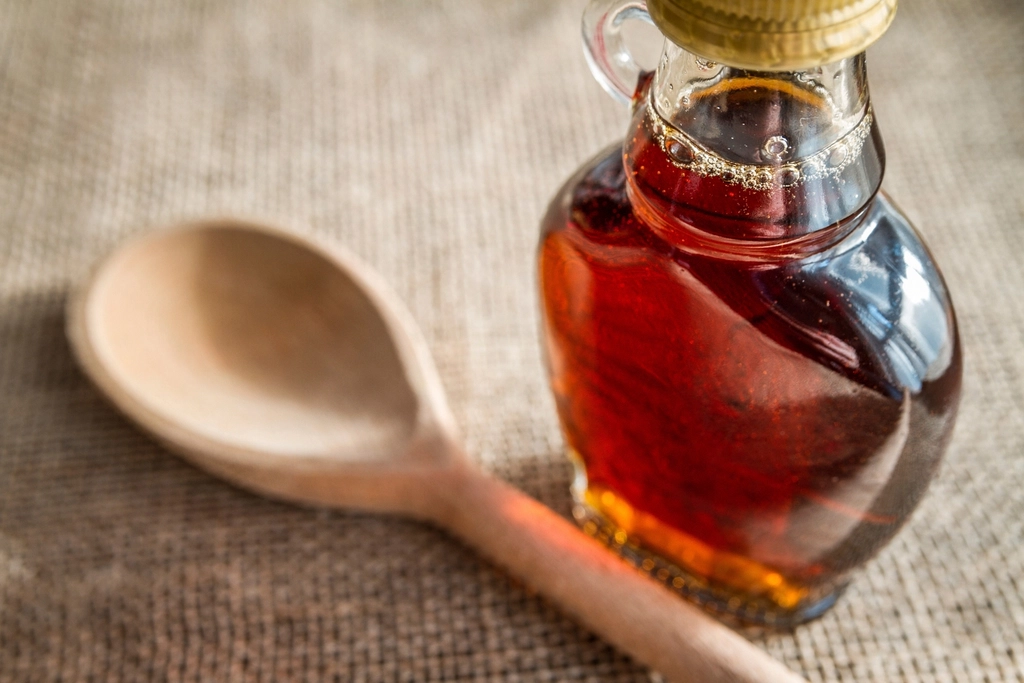
    The goal is small: about fifteen 250 ml bottles for us and for gifts, with as little work as possible.

    The math: fifteen bottles is about a gallon of syrup. Sap boils down about 40 to 1, so we need around 40 gallons. A tap gives 6 to 10 gallons a season, so five taps should do it.

    The kit: a five-tap tubing kit running into one food-grade bucket, and a propane burner on the patio for boiling. A kitchen stove can’t handle it, because the steam is enormous.

    When: you tap when days go above freezing and nights stay below. Up here that’s usually mid-February. We pick our five maples in December.

    We’ll post how it goes, including whether it’s worth it.

  • A DIY dry-aging fridge for steak

    A DIY dry-aging fridge for steak

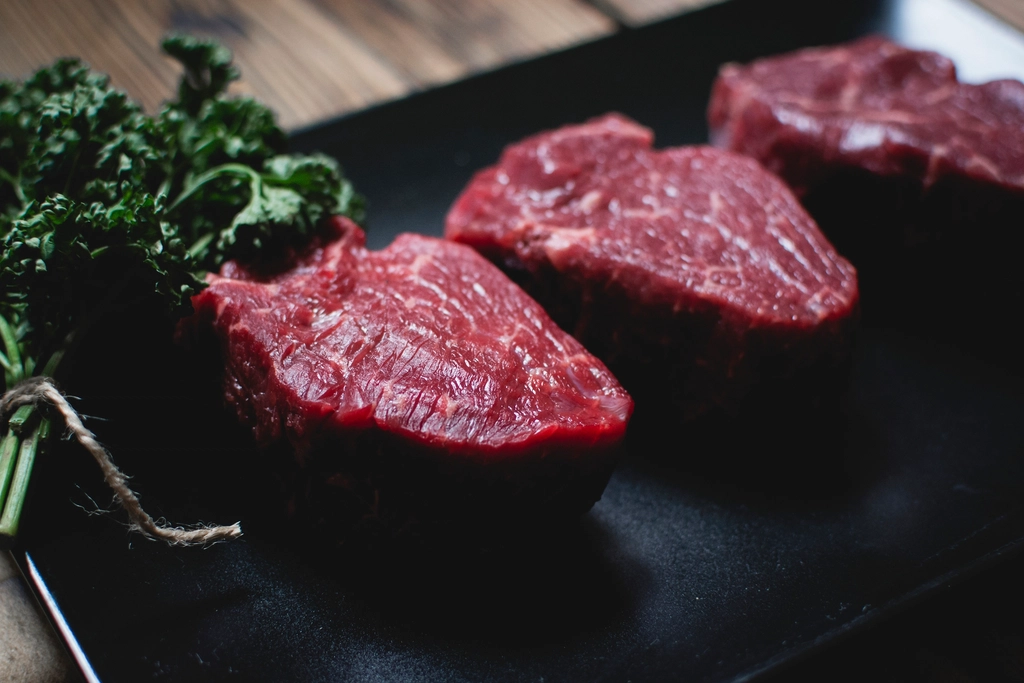
    Commercial dry-aging fridges are expensive, so we built one from a small beverage cooler.

    The parts: an Arctic King beverage cooler, a SwitchBot temperature and humidity sensor, a Himalayan salt block, a small USB fan, and a smart plug. The fridge’s own thermostat is turned to its coldest setting and Home Assistant switches the plug on and off to hold the temperature. The fan runs all the time, because without moving air the meat spoils whatever the temperature.

    The targets: 34 to 39°F, and 75 to 85% humidity.

    What went wrong: humidity fell to 17%. Two things were drying the air. A frost-free fridge pulls moisture out every time it defrosts, and the salt block, which everyone says to add, soaks up moisture when the air is dry. At that humidity the outside of the meat hardens too fast and traps moisture inside.

    The fix: take the salt block out until humidity recovers, add a moisture source, and bring the salt back later to stop humidity overshooting. A small ultrasonic humidifier on its own smart plug can be run by Home Assistant like everything else.